How to Choose the Best Seat on a Double-Decker Bus
The ticket gets you on board; the seat decides what you remember. Two passengers can ride the same route on the same afternoon and come home with completely different trips — one watching rooftops slide past at eye level, the other staring at the back of a headrest for forty minutes. Seat choice is the one part of the journey you fully control, and it takes about ten seconds to get right.
Upper or lower deck? Two different rides
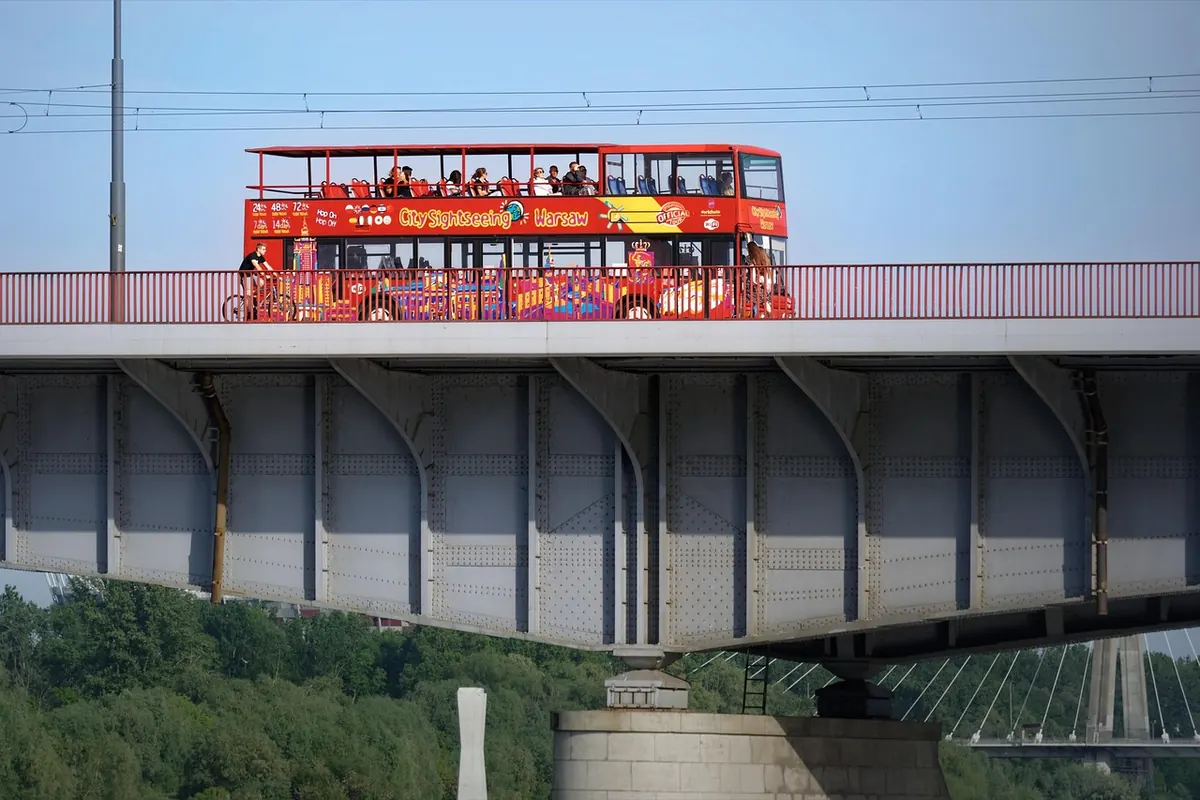
Start with the obvious fork in the road. The upper deck puts you roughly four metres up, above hedges, parked vans, low walls and most shop signage. You get the wide view, the skyline, the odd glimpse into a roof garden. The trade is motion: the higher the centre of gravity, the more the bus leans into corners and the more you feel every pothole. It is also a climb, which is fine if you are quick on stairs and less fine with a suitcase or a sleeping toddler in your arms.
The lower deck sits at about the height of a delivery van. You lose the panorama and gain intimacy — window-level views of shopfronts, doorways and bus-stop life. It is cooler on a hot day, closer to the doors when your stop arrives, and easier on anyone who does not fancy the stairs. If you are on an open-top bus, downstairs is also the difference between a pleasant breeze and a hairstyle you did not plan.
Front seats upstairs: the moving cinema screen
If you remember one tip from this page, make it this one. The front row of the upper deck is the best view on the bus and the hardest seat to get. You see what the driver sees: the road unrolling, traffic parting, a landmark appearing two streets before anyone else notices it. For video, it is the only seat where forward-facing footage looks stable rather than sideways.
The catches are real. On an open-top bus, front-row passengers take the brunt of wind, rain and, in summer, insects — a hooded jacket beats a paper cup of coffee. On enclosed buses, the windscreen catches interior lights after dark and low sun during the day, which ruins photographs. And the seat directly above the front axle is the bounciest on the bus. One or two rows back from the very front often gives you most of the view with noticeably less bounce.
The back row: overlooked, occasionally brilliant
The rear upper deck has a bad reputation, much of it earned. On a rear-engined bus the engine sits under those seats, so you get noise, warmth and vibration. Ride quality is worst directly above the rear axle, and the back of the bus is the last place to be when your stop arrives — budget an extra minute for the stairs.
But the rear bench gives you a raked view back down the route, which is genuinely useful. You can photograph what you have just passed: the bridge you crossed, the square you only half saw. The corner seats also let four people talk without shouting across an aisle. If you are travelling as a group and the tour is not the point, the back of the upper deck is the sociable choice.
Lower deck: closer to the street, easier on the body
Downstairs is not the consolation prize it is made out to be. Three things make it worth choosing deliberately:
- Access. Fewer stairs, closer to the door, quicker off at your stop. Better with luggage, a pushchair, or knees that are having an honest day.
- Less motion. A lower centre of gravity means less roll in corners, which helps if you are prone to travel sickness. If motion sickness is a regular problem for you, ask a pharmacist or your doctor about options before you travel.
- Street-level detail. Market stalls, doorways, cafe tables, the faces of a city. Lower-deck windows sit at the height of a shop sign — good for texture, poor for skylines.
On some buses the very front seats downstairs face forward with a full windscreen view. That is a fine alternative when the upper deck is full or the weather has turned.
Which side of the bus?
People agonise over left versus right and mostly guess. Two questions settle it. First, what shape is the route? On a loop you will see both sides eventually, so the only question is timing: do you want the landmark side now or later? On an out-and-back run — a coastal road, a mountain pass — sit on the sea side going out and you will have the inland side coming home, or the reverse. Second, where is the sun? The sunny side is warm and gives photographs a bright, contrasty look; the shaded side is cooler and kinder on your eyes. On a hot afternoon, shade wins. If you are chasing one specific building, ask a member of staff as you board. It is a normal question and they answer it all day.
Photography: small choices, better pictures
Glass is the enemy
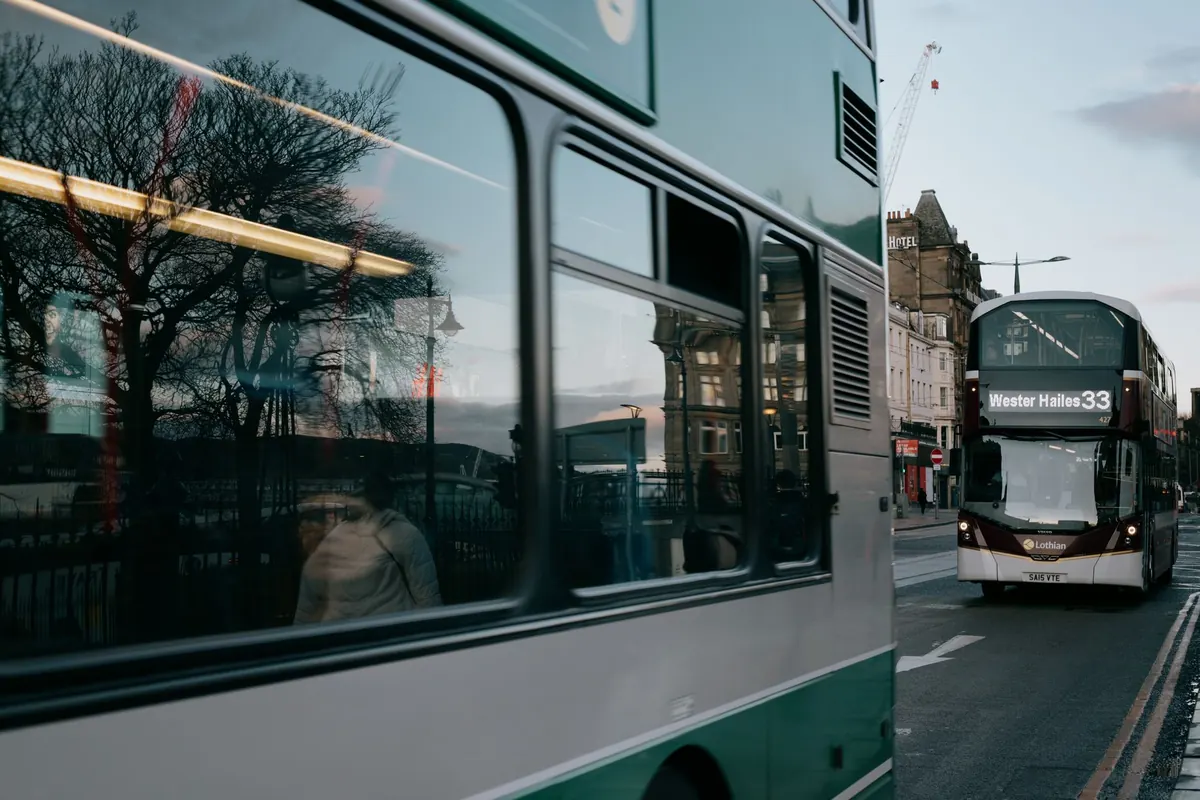
Almost every double-decker photo is shot through a window. Press the lens barrel flat against the glass — not near it, against it — and most reflections disappear. Dark clothing helps, and turning the flash off is non-negotiable; it simply bounces back at you. Wipe the inside of the window with your sleeve first, or every shot will carry the same soft smear.
Freeze the vibration
An idling engine blurs more photographs than bad light ever will. Keep your shutter speed high enough to stop the shake, brace your elbow against the seat back or window frame, and shoot in bursts when the bus pauses at a junction. Traffic lights are your best studio. Pick one subject — a street, a bridge, a row of rooftops — and work it for a few minutes rather than trying to catch everything you pass.
How to decide in ten seconds
Standing at the front of the queue with the doors about to open, run through this:
- Long tour, decent weather, camera in hand? Upper deck, front row if you can get it, a row or two back if the axle bounce bothers you.
- Short hop, heavy bag, or a stop coming soon? Lower deck, near the middle doors.
- Travelling with young children? Upper deck, mid-section, away from the stairs and the open rear window. They want the height; you want the calm middle.
- Feeling queasy? Lower deck, centre of the bus, facing forward with a view out of the front.
- Group of four on a long ride? The rear upper corner bench, accepting engine noise as the price of conversation.
One habit worth keeping wherever you sit: take the stairs facing the handrail and keep your bag out of the aisle. The best seat on the bus is no use if you spend the ride apologising to other passengers. Sit high, sit central when you can, and let the route do the rest.
Photo: Surprising_Media / Pixabay
You Might Also Like
Combine day passes, off-peak travel and short walks to turn a double-decker bus into an affordable all-day adventure, with practical tips for planning routes and timing.
Battery-electric double-deckers pair high-capacity bodies with electric drivetrains, and their range, charging and route planning decide whether they work for a given network.