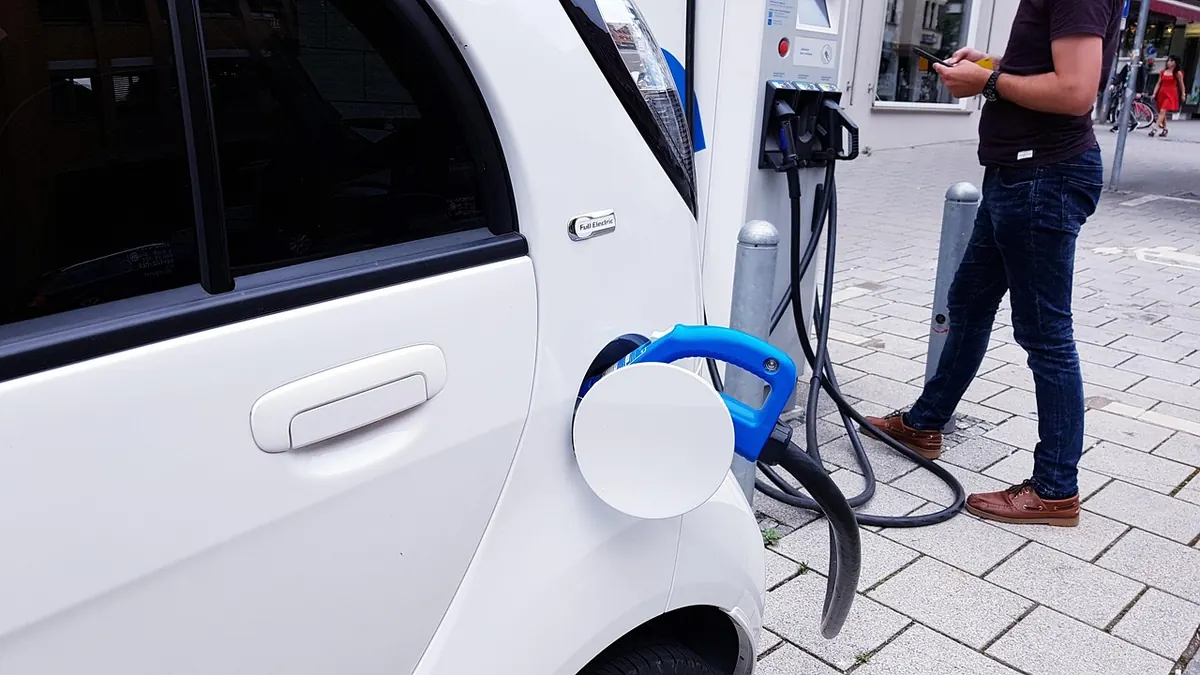
Electric Double-Decker Buses: How They Work and Why They Matter
A double-decker has always been an efficiency trick. Put twice the seats on one chassis, one driver, one set of tyres, and you move more people through the same street space. Electrify that body and the trick gets better: no tailpipe, far less noise, and braking energy going back into the pack instead of into hot brake discs. But the engineering is genuinely harder than electrifying a single-deck bus, and the differences show up in range, charging and how you plan the day.
Here is how these buses actually work, where they struggle, and what to check before assuming one will suit a route.
What Makes a Double-Decker Different
Two decks mean mass, height and a lot of glass. A typical battery-electric double-decker carries a large pack, often in the 300–400 kWh region, which adds several tonnes over a diesel equivalent. That weight sits low, which helps stability, but it also means the bus has to haul its own energy store up every hill.
Height is the other constraint. Roof-mounted equipment competes with the upper deck, and overall height has to stay within the legal envelope for bridges, trees and depot doorways. So designers spread the pack between the rear, the underfloor area and sometimes the roof, then work hard on weight distribution to keep the upper deck from feeling top-heavy in a crosswind.
A typical layout
- Battery pack: lithium-ion cells, usually lithium iron phosphate (LFP) or nickel manganese cobalt (NMC), in sealed modules.
- Drivetrain: one or two electric motors, often with a fixed-ratio reduction, driving the rear axle.
- Power electronics: inverters and a DC-DC converter that feeds the 24-volt systems — lights, doors, ramps, ticket machines.
- Thermal system: liquid cooling for the pack and motors, plus a heat pump for the cabin and, on many models, the upper deck.
- Regenerative braking: the motor becomes a generator under deceleration, pushing energy back into the pack.
That last item matters more on a double-decker than people expect. A heavy bus stopping constantly at bus stops recovers a meaningful share of its energy. On stop-start city work, regeneration is the difference between a workable range and a marginal one.
Range: The Honest Numbers
Published range figures come from test cycles, not from your route. Real-world range on a double-decker depends on four things: weight carried, terrain, temperature, and how much of the day the heating or air conditioning is running.
Cold weather is the biggest single hit. Battery chemistry slows down when it is cold, and the cabin heater pulls power that would otherwise move the bus. A route that comfortably returns to the depot with charge left in September can be tight in January. Air conditioning in a hot climate does something similar, though usually less severe.
Passenger load also counts. A full upper deck is a lot of human ballast, and a bus that leaves the depot light and returns full will show a different consumption figure on each half of the shift.
Practical ways to protect range
- Precondition the bus while plugged in. Warm or cool the interior before departure so the pack is not paying for it on the road.
- Use the heat pump properly. Set a moderate target temperature rather than blasting heat, and zone the upper and lower decks separately where the bus allows it.
- Coach the drivers. Smooth acceleration and earlier lifting off the throttle make a real difference on a heavy vehicle.
- Watch the doors. Long dwell times with doors open in cold weather drain heat and invite condensation.
- Compare routes, not averages. A flat city loop with frequent stops is a much friendlier duty cycle than a hilly interurban run.
Charging: Depot, Opportunity and Everything Between
Most electric double-deckers charge overnight at the depot, using AC or DC. Overnight charging is cheap, gentle on the pack and easy to schedule — but it requires enough parked space, enough grid capacity and the right cables for a whole fleet, not one bus.
Where a route is too long for one charge, operators add opportunity charging: a short top-up during the driver's break, either by plug, pantograph or inductive pad. A 20-minute boost in the middle of the day can turn an impossible duty cycle into a routine one.
Three things decide which approach fits:
- Energy per bus per day. Multiply route length by consumption, then add a margin for weather and detours.
- Time on the depot. A bus out on the road for 18 hours has less charging window than one doing two school runs.
- Electrical capacity. Depot upgrades take time and money; it is usually the slowest part of any project.
Plan the charging infrastructure and the route together. A charging strategy bolted onto an existing schedule rarely survives the first cold snap.
Environmental Gains, Measured Honestly
Electric double-deckers produce no tailpipe emissions, which matters most where people are: busy high streets, school gates and residential streets where the upper deck windows open onto first-floor flats. Nitrogen oxides and particulates from diesel buses concentrate at street level, exactly where pedestrians breathe.
Noise is the other obvious benefit. Electric drivetrains are quiet at low speed, which makes a city centre at night noticeably calmer and lets drivers hear what is happening around the bus.
Carbon is more complicated. An electric bus is only as clean as the electricity that charges it and the energy used to build the battery. In grids with a high share of renewables, the saving over diesel is substantial over the vehicle's life. On a coal-heavy grid, it is smaller but still usually positive, because electric motors convert energy far more efficiently than combustion engines. Ask your supplier for a lifetime assessment rather than a headline claim.
Questions worth asking before you buy
- What range does the manufacturer quote for a realistic duty cycle, and at what temperature?
- What is the battery warranty in years and energy throughput, not just distance?
- Where is the vehicle serviced, and how long do parts take to arrive?
- Can the depot deliver the charging power you need, and when?
- How are the upper deck and stairwell heated, cooled and ventilated in extreme weather?
Is One Right for Your Route?
Start with a single route and a single bus. Measure the actual energy used per shift, log the temperatures, and record how the range moves across a week. Then compare that with your depot's charging window and your electricity tariff.
If the numbers close, electric double-deckers are among the most useful vehicles a city can run: high capacity, low street-level emissions, quiet operation and strong energy recovery in stop-start traffic. If they do not close yet, hybrid or a shorter single-deck electric route may bridge the gap while depot power is upgraded.
Either way, treat the bus and the charger as one purchase. The vehicles are getting better every year; the grid connection is the part that takes planning.
Photo: stux / Pixabay

You Might Also Like
Combine day passes, off-peak travel and short walks to turn a double-decker bus into an affordable all-day adventure, with practical tips for planning routes and timing.
Which Edinburgh bus routes give the best castle views, Old Town streets and coastal day trips — plus where to sit and when to ride.